

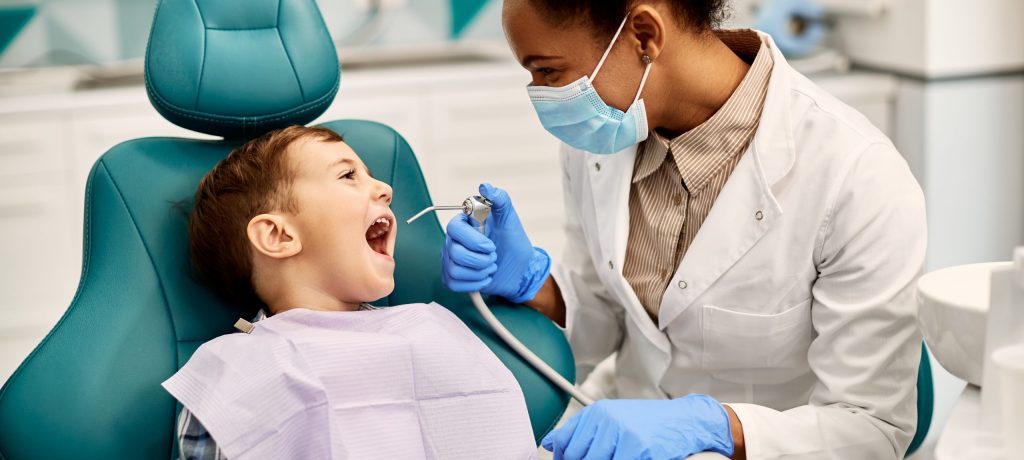
Pediatric dentistry focuses on the oral health of children from infancy through adolescence, providing specialized care that addresses their unique developmental needs. From early preventive measures to advanced treatments, pediatric dentists ensure that children develop strong teeth, healthy gums, and proper bite alignment. Beyond treating dental issues, pediatric dentistry emphasizes education, behavioral guidance, and parental involvement to instill lifelong oral hygiene habits.
Early Dental Visits and Preventive Care
Establishing early dental visits, ideally by the child’s first birthday, is crucial for monitoring oral development and preventing future complications. Initial visits include gentle examinations, growth assessments, and education for parents on proper infant oral care. Dentists evaluate teeth, gums, jaw development, and habits such as thumb sucking or pacifier use, which can impact alignment and oral function.
Preventive care at an early age ensures that any potential issues, such as enamel defects or early decay, are identified and managed promptly. Pediatric dentists provide personalized advice on brushing techniques, fluoride use, and dietary practices tailored to children’s needs. By creating a positive and supportive dental environment, these early visits establish trust, reduce anxiety, and encourage lifelong commitment to oral health.
Fluoride Treatments and Sealants for Children
Fluoride treatments strengthen developing enamel, making teeth more resistant to decay, while dental sealants protect deep grooves and pits in molars where cavities commonly form. These interventions are particularly important during the eruption of permanent teeth, when children are most susceptible to decay.
Pediatric dentists assess risk factors such as sugar consumption, oral hygiene habits, and previous dental history to determine the need for fluoride applications or sealants. Applying these preventive measures significantly reduces the likelihood of cavities, limits the need for fillings, and contributes to the overall stability of dental structures. Parents are guided on maintaining these protections through consistent brushing, dietary management, and routine dental checkups.
Education on Oral Hygiene and Nutrition
Educating children and their caregivers about proper oral hygiene is a central component of pediatric dentistry. Dentists teach effective brushing, flossing, and the importance of cleaning between teeth to prevent plaque accumulation and gum disease. Nutrition plays a vital role, as excessive sugar and acidic foods increase the risk of decay and enamel erosion.
Pediatric dentists provide tailored guidance, including demonstrations, visual aids, and interactive techniques that engage children in their oral care. They encourage healthy habits, such as drinking water, consuming balanced meals, and limiting sugary snacks. By instilling these practices early, children develop the skills and motivation to maintain optimal oral health throughout life.
Management of Cavities and Early Decay
Cavities and early decay are among the most common dental problems in children, requiring prompt attention to prevent discomfort, infection, and long-term damage. Pediatric dentists employ techniques suited for young patients, including gentle fillings, minimally invasive procedures, and behavior management strategies to reduce anxiety during treatment.
Early intervention preserves tooth structure, prevents further deterioration, and reduces the likelihood of complications such as abscesses or premature tooth loss. Pediatric dental care focuses not only on treatment but also on reinforcing preventive measures, ensuring that children understand the importance of oral hygiene and regular dental visits in maintaining healthy teeth.
Orthodontic Assessments and Early Intervention
Pediatric dentistry often includes orthodontic assessments to evaluate the alignment of teeth and jaw development. Early detection of issues such as crowding, overbites, underbites, or misaligned jaws allows for timely intervention, which may involve space maintainers, habit correction, or referral to an orthodontist.
By monitoring growth and alignment during formative years, pediatric dentists help prevent more complex orthodontic treatments later in adolescence. Proactive management ensures proper bite development, supports speech and chewing function, and contributes to aesthetic outcomes that enhance self-confidence and overall oral health.
Behavioral Guidance and Dental Anxiety Management
Many children experience anxiety or fear associated with dental visits, which can hinder effective care. Pediatric dentists are trained in behavior management techniques, such as positive reinforcement, distraction, and “tell-show-do” methods, to create a calm and supportive environment.
Building trust and establishing rapport encourages cooperation and reduces fear, making dental visits a positive experience. Children learn to associate dental care with safety and comfort, which fosters consistent attendance, adherence to oral hygiene routines, and a lifelong commitment to dental wellness.
Specialized Treatments for Children with Health Conditions
Children with chronic illnesses, developmental disorders, or special healthcare needs often require tailored dental care. Pediatric dentists develop individualized treatment plans that consider medical history, physical limitations, and behavioral challenges to ensure safe and effective oral care.
Special considerations may include sedation dentistry, adaptive equipment, and collaboration with pediatricians or other specialists. Providing accessible, compassionate care ensures that every child, regardless of health status, receives the benefits of preventive dentistry and timely treatment, promoting overall well-being and oral health.
Technological Advances in Pediatric Dentistry
Modern technologies enhance the safety, efficiency, and comfort of pediatric dental care. Digital X-rays, laser treatments, and intraoral cameras allow precise diagnostics, minimally invasive procedures, and engaging visual education for young patients.
These tools reduce radiation exposure, shorten procedure times, and improve communication between dentists, parents, and children. Technology also allows dentists to monitor treatment progress over time, adjust care plans as needed, and provide evidence-based recommendations for optimal oral development and long-term dental health.
FAQs
At what age should a child visit the dentist for the first time?
Children should have their first dental visit by the age of one or when the first tooth erupts, whichever comes first, to monitor development and establish preventive care routines.
How often should children have dental checkups?
Routine checkups every six months are recommended, though high-risk children or those with specific dental issues may require more frequent visits.
What are dental sealants, and why are they important?
Dental sealants are protective coatings applied to the chewing surfaces of molars to prevent decay, particularly in deep grooves where brushing may not reach effectively.
Can early orthodontic assessments prevent complicated treatments later?
Yes, early detection of misaligned teeth or jaw issues allows for intervention that may reduce the need for extensive orthodontic work in adolescence.
How can parents help children maintain good oral hygiene at home?
Parents should supervise brushing and flossing, encourage healthy diets low in sugar, and reinforce consistent routines to support lifelong oral health habits.
Conclusion
Pediatric dentistry and child oral health care are essential for fostering strong teeth, healthy gums, and positive dental experiences from an early age. Routine visits, preventive treatments, education, and early intervention ensure that children develop optimal oral health and habits that last a lifetime.
By combining professional expertise, modern technology, and behavior management techniques, pediatric dentists empower children and parents to maintain healthy smiles, prevent decay, and address dental issues proactively. Early investment in pediatric oral care lays the foundation for confident, functional, and aesthetically pleasing smiles that support overall health and well-being.
