

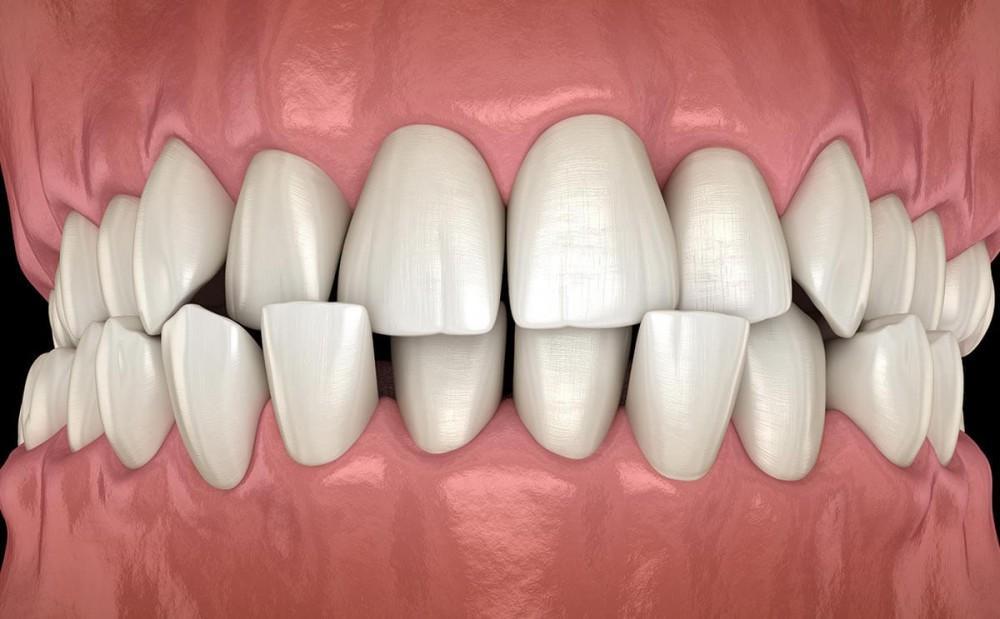
Orthodontics is a specialized branch of dentistry dedicated to diagnosing, preventing, and correcting misaligned teeth and jaw irregularities. Proper alignment of teeth is essential not only for aesthetic appeal but also for maintaining overall oral health. Misaligned teeth can lead to bite problems, uneven wear, difficulty chewing, speech challenges, and even jaw pain. Modern orthodontics combines advanced technology, precision planning, and patient-centered care to provide treatments that are both effective and comfortable.
Traditional Braces and Modern Advancements
Traditional metal braces remain one of the most reliable and widely used methods for correcting teeth misalignment and complex bite issues. These braces consist of brackets bonded to the teeth, connected with wires and elastic bands that gradually apply pressure to shift teeth into the desired positions. Braces are highly versatile, addressing a wide range of orthodontic concerns from overcrowding to severe malocclusions.
Modern advancements have significantly improved the comfort, aesthetics, and efficiency of braces. Innovations such as low-friction brackets, self-ligating systems, and heat-activated wires reduce discomfort, enhance tooth movement, and shorten treatment durations. Regular orthodontic visits allow for adjustments, monitoring, and ensuring that treatment progresses optimally. Patients benefit from precise outcomes, improved oral hygiene access, and a reliable solution for long-term dental health.
Clear Aligners and Invisible Options
Clear aligners offer a discreet alternative to traditional braces, appealing especially to adults and teenagers who seek a less noticeable treatment. These removable, custom-made trays apply gentle pressure to gradually reposition teeth over time. Patients enjoy the flexibility of removing the aligners while eating or cleaning, making oral hygiene easier to maintain.
Orthodontists use advanced 3D imaging and digital planning software to create a personalized treatment plan, mapping each stage of tooth movement. Clear aligners are effective for mild to moderate alignment issues and can achieve comparable results to braces when patients follow usage guidelines diligently. This modern approach combines aesthetic appeal, comfort, and precision, allowing patients to maintain confidence while improving both oral health and appearance.
Early Orthodontic Assessments and Interventions
Early orthodontic evaluation, typically around ages 7–9, is crucial for identifying potential issues such as crowding, bite irregularities, or jaw growth problems. Detecting concerns at an early stage allows for preventive measures and interventions that can significantly reduce the need for extensive treatments later in life. Pediatric orthodontists assess growth patterns, dental eruption, and jaw alignment to determine the most appropriate course of action.
Early intervention may involve the use of space maintainers, habit-correcting appliances, or partial braces designed to guide dental development. Timely management ensures proper jaw growth, bite alignment, and tooth positioning, providing a foundation for functional, healthy permanent teeth. This proactive approach minimizes complex procedures, reduces treatment duration in adolescence, and promotes better long-term oral health outcomes.
Bite Correction and Jaw Alignment
Malocclusions, including overbites, underbites, crossbites, and open bites, not only affect the aesthetics of a smile but can also impair proper chewing, speech, and jaw function. Orthodontic treatments aim to realign teeth and correct jaw positioning to restore functional balance and prevent long-term complications.
Treatment options may include braces, clear aligners, or functional appliances, sometimes in combination with restorative dental procedures to optimize alignment. Correcting bite and jaw issues reduces tooth wear, alleviates jaw strain, and prevents temporomandibular joint disorders. Properly aligned teeth also improve oral hygiene by making it easier to brush and floss effectively, enhancing both health and appearance.
Retainers and Post-Treatment Maintenance
After completing active orthodontic treatment, retainers are essential for maintaining teeth in their corrected positions. Retainers, either fixed or removable, prevent relapse and ensure the longevity of treatment results. Patients who neglect retainer use risk teeth shifting back to their original positions, undermining months or years of careful alignment.
Orthodontists provide detailed instructions for retainer usage, including duration, cleaning, and follow-up appointments. Consistent use preserves the functional and aesthetic benefits achieved through braces or aligners. Post-treatment monitoring ensures that any minor adjustments can be made promptly, guaranteeing durable, long-term outcomes for patients of all ages.
Adult Orthodontics and Cosmetic Considerations
Orthodontic treatments are no longer limited to children and adolescents. Adults increasingly seek alignment solutions to improve smile aesthetics, bite function, and overall oral health. Adult orthodontics often addresses cosmetic concerns while simultaneously resolving functional issues that have persisted for years.
Options such as ceramic braces, clear aligners, and accelerated orthodontic systems are designed to accommodate adult lifestyles, focusing on discretion, efficiency, and comfort. Orthodontists assess facial aesthetics, dental history, and lifestyle factors to design customized treatment plans. Adult orthodontics improves confidence, enhances oral function, and supports long-term dental wellness by creating straight, well-aligned teeth that are easier to clean and maintain.
Technological Advancements in Orthodontics
Technological innovations, including digital scanning, 3D imaging, and computer-aided design, have revolutionized orthodontic planning and treatment execution. These tools provide precise measurements, treatment simulations, and accurate appliance fabrication, enhancing predictability and patient satisfaction.
Digital orthodontics allows for real-time monitoring of tooth movement, personalized adjustments, and visual communication with patients about expected outcomes. Incorporating advanced technology improves treatment efficiency, reduces appointment times, and ensures highly accurate results. Patients benefit from a more streamlined experience, enhanced comfort, and confidence in their treatment journey.
Combining Orthodontics with Other Dental Treatments
Orthodontic treatment is often integrated with cosmetic or restorative dental procedures to achieve comprehensive results. Combining braces or aligners with teeth whitening, veneers, or crowns ensures that alignment improvements complement overall aesthetics and oral functionality.
Dentists coordinate multi-disciplinary care to optimize outcomes, ensuring timing, procedure sequencing, and treatment synergy. By integrating orthodontics with other dental services, patients receive well-balanced, functional, and visually appealing results. This holistic approach maximizes the benefits of orthodontic care, providing a healthy, confident, and attractive smile.
FAQs
At what age should orthodontic evaluation begin?
Children should have their first orthodontic evaluation around ages 7–9 to identify bite or alignment issues early and implement preventive strategies if necessary. Early detection allows for interventions that can reduce the need for extensive procedures in adolescence.
How long does orthodontic treatment typically take?
Treatment duration depends on the severity of misalignment and type of appliance used. Most treatments range from 12 to 36 months, with regular adjustments and follow-ups to ensure optimal progress.
Are clear aligners as effective as traditional braces?
Yes, clear aligners can effectively treat mild to moderate alignment issues. Compliance is key, as trays must be worn consistently for predictable tooth movement and results comparable to braces.
Do orthodontic treatments improve oral health or just appearance?
Orthodontic care improves both functionality and aesthetics by correcting bite issues, reducing abnormal wear, facilitating oral hygiene, and creating a harmonious smile.
What happens if retainers are not used after braces?
Failure to wear retainers can cause teeth to shift back to their original positions, undermining treatment results and potentially requiring additional orthodontic intervention.
Conclusion
Orthodontics and teeth alignment treatments provide critical benefits for oral health, aesthetics, and functional well-being. From traditional braces to modern clear aligners, these treatments address misaligned teeth, bite irregularities, and jaw concerns, resulting in healthier, more attractive smiles.
With careful treatment planning, advanced technology, and proper post-treatment maintenance, patients of all ages can enjoy straight, well-aligned teeth that enhance confidence, improve oral function, and support long-term dental wellness. Investing in orthodontic care delivers lasting results, ensuring a harmonious smile and overall oral health for life.
