

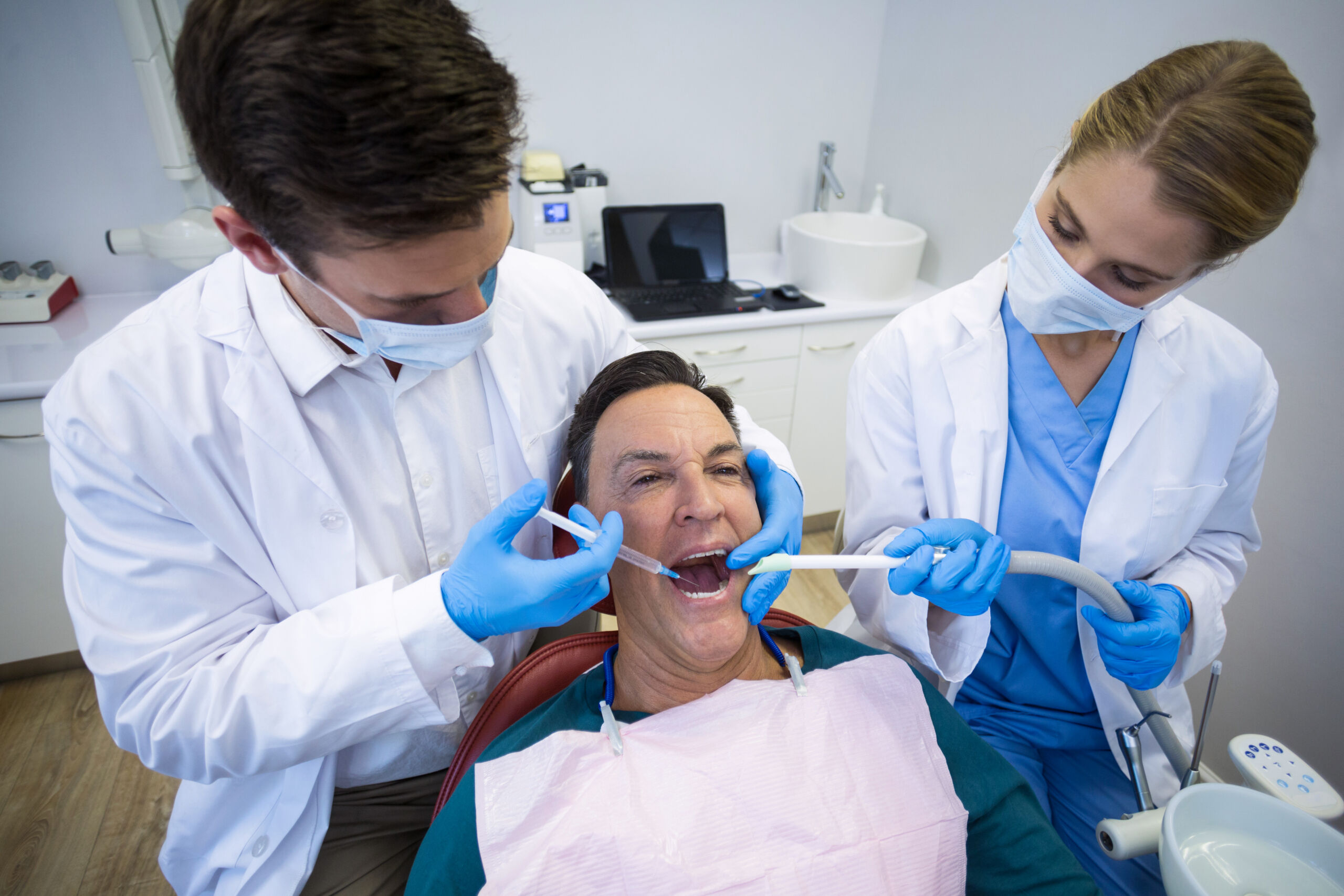
Restorative dentistry focuses on repairing damaged or missing teeth to restore function, health, and aesthetics. It addresses issues such as cavities, fractures, worn teeth, and tooth loss, combining modern materials, advanced techniques, and personalized treatment plans. Beyond improving appearance, restorative treatments enhance chewing efficiency, speech, jaw alignment, and long-term oral health.
Dental Fillings and Cavity Repair
Dental fillings are one of the most common restorative treatments, used to repair teeth affected by decay or minor fractures. The dentist removes decayed material, cleans the cavity, and fills it with durable materials such as composite resin, amalgam, or glass ionomer, restoring the tooth’s shape and function.
Modern composite fillings are tooth-colored, providing a natural appearance while maintaining strength and durability. Timely cavity repair prevents further decay, reduces the risk of infection, and protects the tooth from structural compromise. Routine examinations and preventive care help identify cavities early, ensuring that restorative interventions are minimally invasive and highly effective.
Crowns and Tooth Protection
Dental crowns, also known as caps, are custom-made restorations that encase the entire tooth to restore its size, strength, and appearance. Crowns are commonly used for teeth that are extensively damaged, weakened by decay, or after root canal treatment.
Restorative dentists use high-quality materials such as porcelain, zirconia, or ceramic to ensure crowns are durable, functional, and aesthetically pleasing. Crowns protect the tooth from further damage, maintain proper bite alignment, and support chewing efficiency. With careful preparation and precise placement, crowns offer long-lasting solutions for restoring both the health and appearance of compromised teeth.
Bridges and Replacement of Missing Teeth
Dental bridges are used to replace one or more missing teeth, restoring oral function, appearance, and stability. Bridges are anchored to adjacent teeth or implants, filling the gap with artificial teeth that match the natural dentition.
By preventing adjacent teeth from shifting and maintaining proper bite alignment, bridges protect the overall dental arch. They also enhance chewing, speech, and aesthetics, providing a seamless restoration. Restorative dentists carefully design bridges to ensure comfort, durability, and a natural appearance, improving both oral health and patient confidence.
Dental Implants for Long-Term Solutions
Dental implants offer a permanent solution for missing teeth, replacing the root with a titanium post and supporting a crown that mimics natural teeth. Implants preserve jawbone density, prevent shifting of surrounding teeth, and provide a stable foundation for chewing and speaking.
Advanced imaging and planning allow dentists to place implants with precision, ensuring proper alignment and integration with the jawbone. Dental implants are highly durable and, with proper care, can last decades, making them one of the most effective restorative options. They restore function, appearance, and oral health simultaneously, improving quality of life for patients with missing teeth.
Root Canal Therapy and Tooth Preservation
Root canal therapy is essential for saving teeth affected by deep decay or infection of the pulp. The procedure involves removing infected tissue, cleaning and disinfecting the root canals, and sealing them to prevent further infection.
Preserving the natural tooth through root canal therapy maintains bite function, prevents jawbone deterioration, and avoids the need for extraction. Restorative dentists often follow root canal treatment with a crown to provide additional strength and protection. This approach ensures that patients retain their natural teeth while restoring health and functionality.
Inlays, Onlays, and Partial Restorations
Inlays and onlays are custom-made restorations that repair moderate damage or decay in teeth that do not require a full crown. Inlays fit within the cusps of a tooth, while onlays cover one or more cusps for added protection and structural support.
These partial restorations are typically made from porcelain, composite, or gold, offering durability, precision, and aesthetic appeal. Inlays and onlays provide conservative alternatives to crowns, preserving healthy tooth structure while restoring function and appearance. They are ideal for repairing teeth that have suffered moderate decay or trauma without extensive preparation.
Treatment for Worn or Damaged Teeth
Teeth can wear down over time due to grinding, acidic erosion, or trauma. Restorative dentistry addresses worn or damaged teeth with treatments such as bonding, crowns, or veneers, restoring proper function, bite alignment, and appearance.
Dentists assess the severity of wear and recommend solutions tailored to the patient’s needs. Restoring worn teeth prevents further damage, reduces sensitivity, and maintains oral health. By addressing functional and aesthetic concerns, these treatments improve chewing, protect surrounding teeth, and enhance the patient’s overall smile.
Integration of Restorative Dentistry with Preventive Care
Restorative treatments are most effective when combined with preventive strategies, including regular checkups, cleanings, fluoride treatments, and patient education. Preventing additional decay or damage helps maximize the longevity of restorations and maintains oral health.
Dentists provide guidance on oral hygiene practices, dietary choices, and lifestyle habits that support the durability of restorative treatments. By integrating preventive and restorative care, patients can maintain strong, healthy teeth, prevent future issues, and enjoy lasting functional and aesthetic benefits.
FAQs
When is restorative dentistry necessary?
Restorative dentistry is needed for damaged, decayed, or missing teeth that impact oral function, aesthetics, or overall dental health. Early intervention prevents further complications.
What is the difference between a crown and a filling?
Fillings repair small cavities or minor damage, while crowns encase the entire tooth to restore extensive damage, strength, and appearance.
Are dental implants better than bridges?
Dental implants provide long-term stability, prevent jawbone loss, and do not affect adjacent teeth, whereas bridges rely on neighboring teeth for support.
How long do restorative treatments last?
The lifespan of restorative treatments varies: fillings last 5–10 years, crowns 10–15 years, and implants can last decades with proper care.
Can restorative dentistry improve oral health as well as appearance?
Yes, restorative treatments restore function, prevent further damage, maintain bite alignment, and enhance aesthetics, improving both oral health and confidence.
Conclusion
Restorative dentistry plays a crucial role in repairing damaged teeth, replacing missing teeth, and maintaining overall oral health. From fillings and crowns to implants and root canals, these treatments restore function, prevent further complications, and enhance the appearance of the smile.
By combining advanced techniques, personalized treatment plans, and preventive care, patients achieve long-lasting results that improve chewing, speech, aesthetics, and overall quality of life. Investing in restorative dentistry ensures a strong, healthy, and confident smile that supports lifelong oral wellness.
