

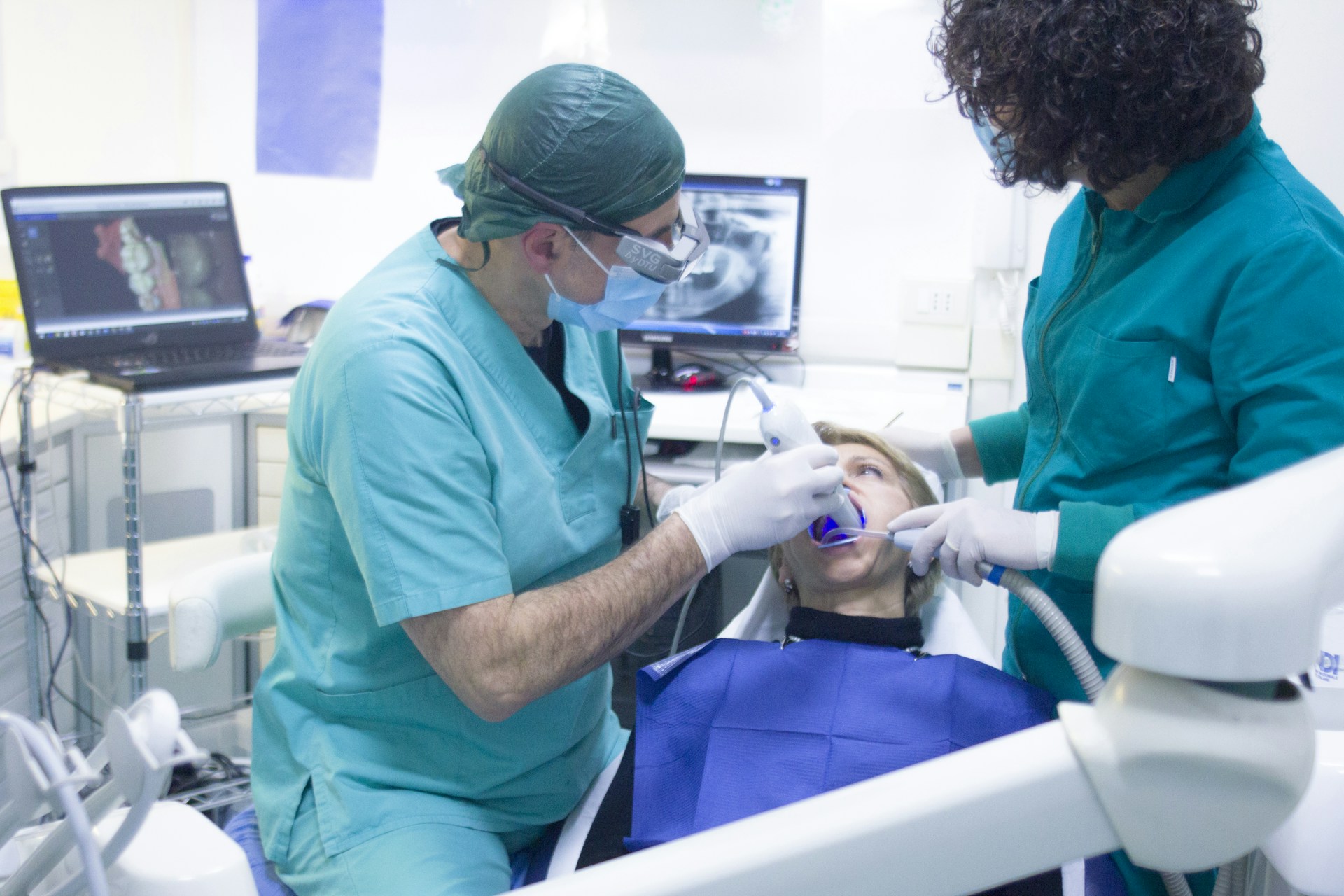
Oral surgery and special dental procedures are designed to address complex dental issues that cannot be resolved through routine dental care. These treatments encompass tooth extractions, wisdom teeth removal, corrective jaw surgery, dental implants, and other advanced interventions aimed at restoring oral health, functionality, and aesthetics.
Wisdom Teeth Extraction and Impacted Teeth
Wisdom teeth, or third molars, often become impacted due to insufficient space in the jaw, improper alignment, or delayed eruption. Impacted wisdom teeth can lead to pain, swelling, infection, and damage to adjacent teeth. Extraction is frequently recommended to prevent these complications and maintain oral health.
Oral surgeons carefully assess the position of wisdom teeth using advanced imaging techniques, including panoramic X-rays and 3D scans. Extractions are performed with precision, often under local anesthesia or sedation to ensure patient comfort and safety. Post-operative care, including pain management, oral hygiene guidance, and monitoring, is essential for smooth recovery. Timely removal of impacted teeth prevents chronic infection, reduces the risk of cysts or tumors, and preserves overall dental alignment.
Corrective Jaw Surgery (Orthognathic Surgery)
Corrective jaw surgery addresses skeletal and structural issues, including misaligned jaws, underbites, overbites, and open bites, which cannot be corrected with orthodontics alone. These conditions can affect chewing, speech, facial aesthetics, and overall oral function. Orthognathic surgery involves precise repositioning of the upper and/or lower jaw to restore proper alignment, bite function, and facial symmetry.
Surgeons utilize 3D imaging, digital modeling, and surgical guides to plan the procedure accurately. Post-surgical care includes pain management, dietary adjustments, and follow-up evaluations to ensure proper healing and functional improvement. Corrective jaw surgery provides long-term solutions for complex skeletal issues, enhancing both oral health and aesthetic outcomes.
Dental Implants and Surgical Placement
Dental implants are advanced restorative solutions that replace missing teeth with titanium posts anchored in the jawbone. Surgical placement is a critical step, requiring precision to ensure stability, integration with the bone, and proper alignment with surrounding teeth.
Oral surgeons assess bone density, jaw structure, and overall oral health to determine suitability for implants. The procedure may include bone grafting or sinus lifts for patients with insufficient bone mass. Post-operative care emphasizes oral hygiene, monitoring for infection, and gradual integration of the implant with the bone. Implants restore chewing efficiency, maintain jaw structure, and provide a durable, natural-looking solution for tooth replacement.
Treatment of Oral Pathologies and Tumors
Oral surgeons play a vital role in diagnosing and treating benign and malignant oral pathologies, including cysts, tumors, and abnormal growths. Early detection and surgical intervention are critical to preventing complications and preserving oral and systemic health.
Procedures involve careful excision, biopsy, and reconstruction as needed, often in collaboration with specialists such as oncologists or ENT surgeons. Post-surgical follow-up ensures proper healing, monitoring for recurrence, and restoration of function. Surgical treatment of oral pathologies not only safeguards health but also addresses aesthetic concerns, supporting overall patient well-being and confidence.
Management of Traumatic Injuries
Oral trauma resulting from accidents, sports injuries, or falls can cause fractured teeth, jaw fractures, soft tissue damage, and dislocation of temporomandibular joints. Oral surgeons provide comprehensive care to restore function, alignment, and aesthetics following such trauma.
Treatment may include surgical repositioning of bones, fixation with plates or screws, soft tissue repair, and restorative interventions for damaged teeth. Surgeons coordinate with general dentists, orthodontists, and medical specialists to ensure complete rehabilitation. Prompt and precise surgical management reduces the risk of long-term complications, supports facial symmetry, and restores oral functionality.
Bone Grafting and Jaw Reconstruction
Bone grafting is a surgical procedure used to rebuild or augment the jawbone to support dental implants, correct defects, or address bone loss caused by trauma, disease, or congenital conditions. Adequate bone structure is critical for stability, aesthetics, and long-term success of implants and other restorative treatments.
Surgeons use autografts, allografts, or synthetic materials to rebuild bone, employing precise techniques to ensure integration and minimal complications. Healing time varies based on the extent of grafting, with careful monitoring and post-operative care essential for successful outcomes. Bone grafting and jaw reconstruction provide foundational support for advanced dental procedures, preserving oral health and function.
Advanced Sedation and Pain Management
Oral surgery procedures often require sedation or anesthesia to ensure patient comfort, minimize anxiety, and facilitate precise surgical intervention. Options include local anesthesia, intravenous sedation, or general anesthesia depending on procedure complexity and patient needs. Oral surgeons monitor patients closely throughout the procedure, employing advanced pain management protocols to ensure safety and comfort.
Post-operative pain control, including medications and at-home care instructions, promotes recovery and reduces stress. Proper sedation and pain management are crucial for patient satisfaction, enabling successful completion of complex procedures with minimal discomfort.
Integration with Multidisciplinary Dental Care
Oral surgery often intersects with restorative, orthodontic, and cosmetic dentistry to achieve comprehensive treatment outcomes. For example, implants may be combined with crowns, jaw surgery may precede orthodontic alignment, and trauma management may include restorative reconstruction.
Coordinated care ensures that surgical interventions align with overall treatment goals, enhancing functionality, aesthetics, and oral health. Collaboration between specialists allows for efficient planning, accurate execution, and long-term monitoring, ensuring optimal outcomes for complex dental cases.
FAQs
When is oral surgery necessary?
Oral surgery is recommended for impacted teeth, severe decay, jaw misalignment, trauma, or complex restorative needs that cannot be addressed with routine dental care.
Are surgical dental procedures painful?
With modern anesthesia, sedation, and pain management protocols, oral surgery is generally comfortable, with post-operative care minimizing discomfort.
How long does recovery from oral surgery take?
Recovery varies depending on the procedure, ranging from a few days for simple extractions to several weeks for jaw surgery or bone grafting, with follow-up care essential for healing.
Are dental implants always surgically placed?
Yes, implant placement is a surgical procedure that requires precision to integrate the post with the jawbone for long-term stability and function.
Can oral surgery improve both function and appearance?
Absolutely. Procedures such as jaw reconstruction, implant placement, and trauma repair restore chewing, speech, bite alignment, and facial aesthetics simultaneously.
Conclusion
Oral surgery and special dental procedures provide advanced solutions for complex dental needs, addressing impacted teeth, jaw misalignment, trauma, and oral pathologies. Surgical interventions restore function, aesthetics, and long-term oral health, often in coordination with other dental specialties.
By combining modern techniques, careful planning, and patient-centered care, oral surgeons deliver outcomes that enhance chewing, speech, appearance, and overall well-being. Investing in oral surgical procedures ensures patients achieve durable, healthy, and confident smiles while preventing further complications.
